Source Auto Rotating Magnetic Levitation Lamp for Office, Reading Room, Decoration
Compare 30 auto rotating magnetic levitation lamp options from verified suppliers. Buyers can evaluate specifications like power, certifications, and customization for office, reading room, and decoration applications. These lamps feature modern styles, various power sources, and customizable logos to suit diverse needs.
Key considerations
Products List


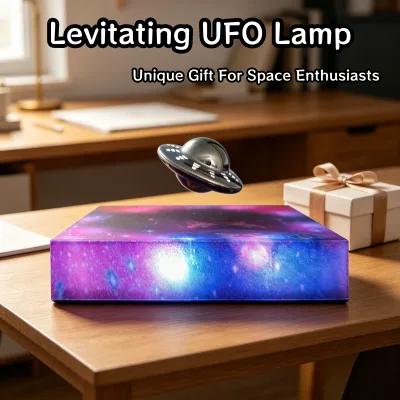
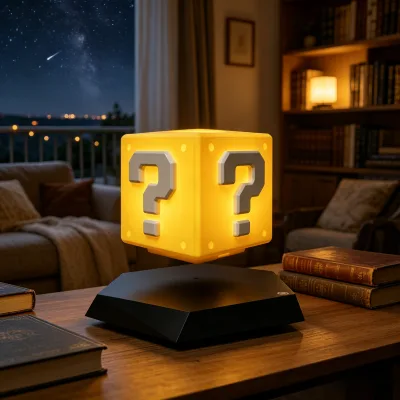
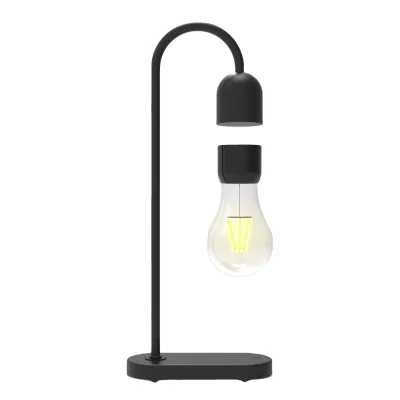
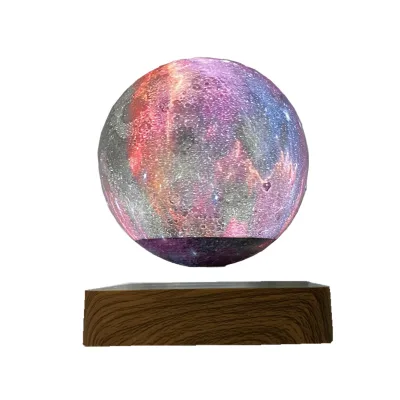



Comprehensive Sourcing Guide
Auto Rotating Magnetic Levitation Lamp Sourcing Guide
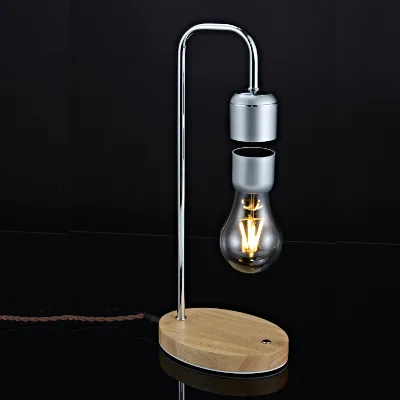
Sourcing auto-rotating magnetic levitation lamps requires a nuanced understanding of the intersection between decorative aesthetics and complex electromagnetic engineering. These products are not standard lighting fixtures but rather precision-engineered devices that combine illumination with levitation technology, often featuring rotating mechanisms to enhance visual appeal. Buyers must recognize that the "auto-rotating" feature implies additional mechanical or electromagnetic components that increase the risk of failure compared to static levitating bulbs. The core value proposition lies in the novelty and display capability, making these items popular for high-end offices, reading rooms, and decorative settings. However, the complexity of the levitation base means that procurement teams must prioritize suppliers with proven expertise in magnetic levitation technology rather than general lighting manufacturers.
The market for these lamps is characterized by significant variation in build quality, power efficiency, and certification compliance. Observed listings indicate a wide range of power consumptions, from ultra-low energy options under 5W to higher output models exceeding 30W, alongside specific power bands like 11-15W and 16-20W. This variance directly impacts heat management, which is critical for maintaining the stability of the magnetic field and the longevity of the LED light source. Buyers should note that while many products claim modern or European styles, the underlying technology—whether using ABS, plastic, or glass bodies—dictates the thermal performance and durability. Understanding these technical distinctions is essential for selecting a product that meets both aesthetic requirements and functional reliability standards in a commercial environment.
Product Scope and Observed Listing Signals
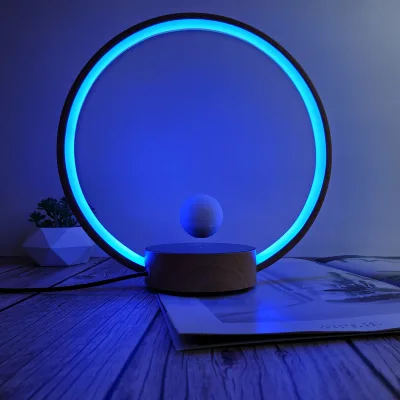
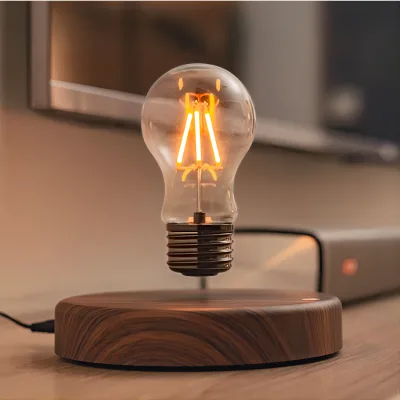
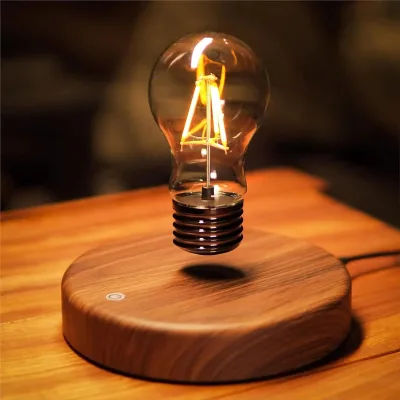
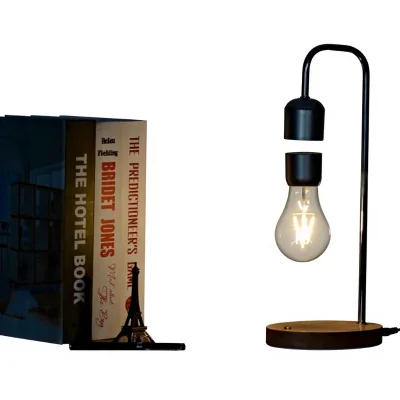
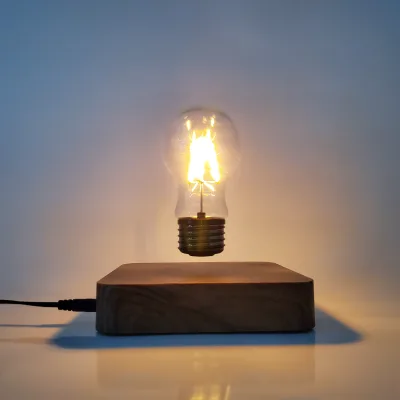
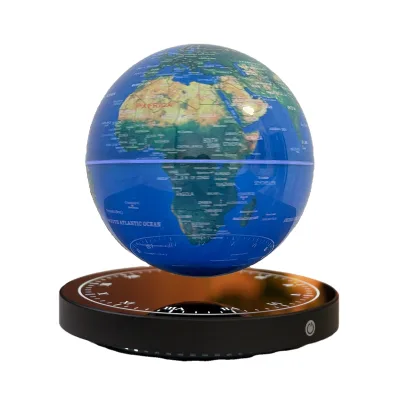
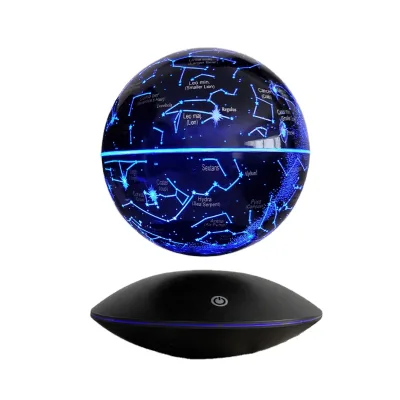
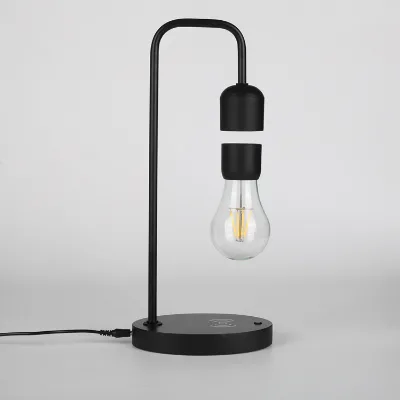
The product scope for auto-rotating magnetic levitation lamps encompasses a variety of form factors, including magnetic levitating bulbs and specialized designs like magnetic levitation moon lamps. Listings frequently highlight customization options, allowing buyers to tailor logos, body colors, and specific dimensions to their brand identity. Common body materials observed include ABS, plastic, and glass, each offering different aesthetic finishes and structural properties. The presence of a light source is standard, with some models offering three-color temperature options to suit different ambient lighting needs. Buyers should pay close attention to the specified product dimensions, such as the 161136.7cm measurement for certain models, to ensure compatibility with display spaces. The levitation distance is a critical specification, with some products offering a 20mm gap, which affects the stability and safety of the rotating element.
Commercial signals from the market indicate a flexible minimum order quantity (MOQ) range, typically spanning from 1 to 300 units, which accommodates both sample testing and bulk procurement. Delivery times are generally estimated between 15 and 25 days, suggesting a need for advance planning in supply chain schedules. Packaging is described in various ways, from standard export packages to specialized sea or air freight packing, highlighting the need for careful logistics planning to prevent damage to the sensitive electronic components. The origin of these products is predominantly China, with specific mentions of Anhui as a manufacturing hub. Buyers should verify the specific model numbers, such as "Magnetic Levitating Bulb" or customized variants, to ensure they are sourcing the exact configuration required for their application, whether for office use, decoration, or reading rooms.
Technical Specifications to Verify
When evaluating technical specifications, the power source and switch type are primary considerations for user experience and installation compatibility. Most observed models operate on electric power, with some specifying AC input, while others may require USB connections, indicating a need to verify the power infrastructure at the point of use. Switch types vary significantly, including push-button switches, remote control switches, and pull switches, each offering different levels of convenience and integration with smart home systems. Buyers must confirm the luminous efficiency, with some products claiming 110 Lm/W, which is a key metric for energy-conscious procurement. Additionally, the dimmability feature is often highlighted, allowing for adjustable brightness levels to suit various decorative or functional requirements. These electrical characteristics directly impact the ease of use and the overall user satisfaction with the product.
The physical construction and material composition are equally critical for assessing durability and safety. The lamp body material, whether ABS, plastic, or glass, influences the weight distribution and the stability of the levitation mechanism. For instance, glass bodies may offer a premium aesthetic but could be more fragile during shipping and handling compared to ABS or plastic alternatives. The IP rating is another vital specification, although specific values are often listed ambiguously in general descriptions, requiring direct verification from the supplier. Buyers should also inquire about the warranty period, with one-year warranties being a common offering, which serves as an indicator of the manufacturer's confidence in their product's reliability. Understanding these technical details helps in predicting the long-term performance and maintenance requirements of the auto-rotating magnetic levitation lamps.
Compliance and Safety Documentation
Compliance with international safety standards is non-negotiable for importing electronic lighting products, particularly those involving magnetic levitation technology. The most frequently cited certifications in the market include CCC, CE, and RoHS, which indicate adherence to Chinese, European, and environmental safety standards, respectively. Some suppliers provide a broader suite of certifications, including CQC, EMC, ETL, FCC, FDA, GOST, GS, and SAA, which may be necessary depending on the target market and regulatory requirements. Buyers must verify that the specific model they intend to purchase holds the relevant certifications for their region, as generic claims may not apply to all variants within a product line. The presence of these certifications ensures that the electrical components, power supplies, and LED sources meet rigorous safety and electromagnetic compatibility standards, reducing the risk of electrical hazards or interference.
Beyond product-level certifications, buyers should also consider the broader quality management systems in place at the manufacturing facility. While ISO9001 is mentioned in background contexts, it is essential to confirm that the supplier maintains active quality management processes that specifically address the unique challenges of magnetic levitation products. This includes testing for the stability of the magnetic field, the durability of the rotating mechanism, and the thermal performance of the LED components. Buyers should request test reports or compliance certificates for the specific batch or model they are ordering, rather than relying on general supplier claims. Ensuring that the product meets all local regulatory requirements is crucial for avoiding customs delays, legal liabilities, and potential safety incidents in the end-user environment.
Cost Drivers and Commercial Terms
The cost structure of auto-rotating magnetic levitation lamps is influenced by several key factors, including the complexity of the levitation technology, the materials used, and the level of customization required. Products with higher power outputs, such as those exceeding 30W or in the 16-20W range, may incur higher manufacturing costs due to more robust power supplies and heat management systems. Customization options, such as logo printing, specific body colors, or unique packaging, can also add to the unit price, although they may offer significant branding value for corporate gifts or promotional items. Buyers should be aware that the observed price range of 20-89 USD reflects this variability, with basic models at the lower end and highly customized or premium material versions at the higher end. Understanding these cost drivers allows for more accurate budgeting and negotiation with suppliers.
Commercial terms, including MOQ and lead times, play a significant role in the total cost of ownership and supply chain efficiency. The flexible MOQ range of 1-300 units provides opportunities for small businesses to test the market without significant upfront investment, while larger orders can benefit from economies of scale. However, buyers must account for the 15-25 day delivery time when planning inventory, as delays in production or shipping can impact product availability. Packaging requirements, such as standard export packaging or specialized sea/air freight solutions, also affect logistics costs and the risk of damage during transit. Buyers should negotiate clear terms regarding payment schedules, warranty claims, and return policies to mitigate financial risks associated with potential product defects or supply chain disruptions.
Supplier Qualification and Quality Control
Selecting a qualified supplier for magnetic levitation lamps requires a thorough assessment of their technical capabilities and quality control processes. Buyers should prioritize suppliers who specialize in magnetic levitation technology, as evidenced by their product models and technical descriptions, rather than general lighting manufacturers. It is essential to verify the supplier's ability to maintain consistent performance across batches, particularly regarding the stability of the levitation distance and the smoothness of the auto-rotating mechanism. Requesting samples for rigorous testing is a critical step, allowing buyers to evaluate the product's actual performance, build quality, and compliance with stated specifications. Suppliers who are transparent about their manufacturing processes and willing to provide detailed technical documentation are more likely to deliver reliable products.
Quality control measures should extend beyond final product inspection to include incoming material checks and in-process testing. Buyers should inquire about the supplier's procedures for testing the LED light source, power supply, and magnetic components before shipment. The presence of a warranty, typically one year, indicates a level of confidence in the product's durability, but buyers should also clarify the terms of the warranty, including coverage for manufacturing defects and the process for returns or replacements. Additionally, verifying the supplier's origin, such as manufacturers based in Anhui, China, can provide insights into their supply chain resilience and access to raw materials. Establishing a strong relationship with a qualified supplier ensures consistent product quality and reliable support throughout the procurement lifecycle.
Long-Term Procurement Checks
Long-term procurement success depends on establishing robust mechanisms for ongoing quality assurance and supplier performance monitoring. Buyers should implement regular audits or periodic sample testing to ensure that the auto-rotating magnetic levitation lamps continue to meet specified standards over time. This includes verifying that the certifications remain valid and that the supplier adheres to agreed-upon quality control protocols. Monitoring key performance indicators, such as defect rates, delivery times, and customer feedback, can help identify potential issues early and facilitate corrective actions. Maintaining open communication with the supplier regarding any changes in product design or manufacturing processes is also crucial for ensuring continuity and compliance.
Furthermore, buyers should stay informed about evolving regulatory requirements and market trends that may impact the product's relevance and compliance. As technology advances, new standards for energy efficiency and electromagnetic compatibility may emerge, requiring suppliers to update their products accordingly. Buyers should encourage suppliers to invest in research and development to improve the reliability and efficiency of their magnetic levitation lamps. By proactively managing these long-term factors, procurement teams can mitigate risks, ensure product quality, and maintain a competitive edge in the market. This strategic approach to supplier management fosters a sustainable and resilient supply chain for auto-rotating magnetic levitation lamps.
FAQs
What certifications are available for magnetic levitation lamps?
Certifications include CCC, CE, CQC, EMC, ETL, FCC, FDA, GOST, GS, RoHS, and SAA. These ensure compliance with international safety and quality standards. Buyers can select specific certifications based on their target market regulations. This variety supports global distribution and reduces compliance risks for importers sourcing from China.
Can the lamp body material be customized?
Yes, customization is available for the lamp body material. Options include glass, ABS plastic, and other materials. Buyers can choose based on aesthetic preferences or durability requirements. Customized materials allow for unique product differentiation in competitive markets while maintaining the core magnetic levitation functionality.
What is the typical delivery time for these lamps?
The typical delivery time ranges from 15 to 25 days. This timeframe applies to standard production and shipping processes. Buyers should account for this lead time when planning inventory. Expedited options may be available depending on the supplier's capacity and the specific order volume requested.
How is the power source configured for these lamps?
Power sources include electric, AC, and USB options. Some models feature low power consumption, such as under 5W or 16-20W ranges. This flexibility allows buyers to select lamps suitable for various environments, from office desks to decorative settings, ensuring energy efficiency and compatibility with different power outlets.
What switch types are supported by these lamps?
Supported switch types include push-button, remote control, and pull switches. These options provide convenient operation for different user preferences. Remote controls offer distance operation, while push buttons provide direct manual control. This variety enhances user experience and caters to diverse functional requirements in home or office settings.
What is the MOQ for ordering magnetic levitation lamps?
The MOQ ranges from 1 to 300 units. This flexibility accommodates both small trial orders and larger bulk purchases. Buyers can start with minimal quantities to test market response. Higher volumes may unlock better pricing tiers. This range supports businesses of various sizes entering the magnetic levitation lamp market.